

 Often when I visit elderly patients in Nursing Homes or elsewhere I like to sing some Hebrew Songs with them. Sometimes I sing alone but most often, they join me in song either by singing along or by clapping or smiling. Besides for the fact that I like songs and music, I have found there are few things that have the emotional power of music and song. I watch people be transported away in their thoughts and memories, as I watch others smile and enjoy, or even start tapping or clapping along.
I have had many occasions where I have seen the unbelievable effects of music and song, including in the ICU where people in their weakest states, have literally sat up and been inspired to keep going through the power of melodies and music. I have seen people who are no longer able to communicate to their loved ones due to memory issues or verbal issues, yet familiar Jewish music has made them expressive in their own joyful way.
Many of us love music of different kinds, some might like classical, some might like country music, and personally I love Chabad melodies of which there are hundreds of beautiful songs.
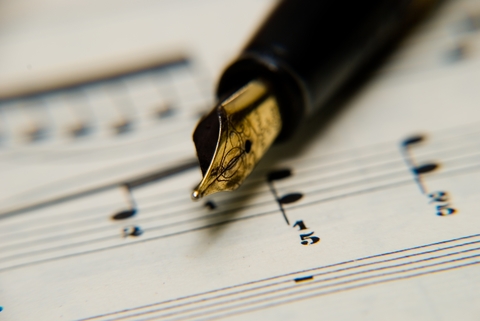
Music has the power to make us break out in dance, reflect and remember, be inspired and motivated, or to calm us and make us happy. In Chassidic terms, music is known as the pen of the soul, a form of expression that connects to our very core and allows our very soul to express itself. It is for that reason, that a song can transport us back in time, can uplift us like no words can, and can make us reflect like no conversation can trigger.
In this week's portion we read all about song and music as right after the Jews exit the sea when it split and their lives were saved, they break out in a song of thanksgiving and praise to G-d. In the Talmud there is a whole discussion as to how the song was done, with one opinion being that Moses shared the words of the song which they then repeated, with another opinion being that they all spontaneously sang and expressed the very same words of thanks and song.
Later Miriam, the sister of Moses and a Prophetess in her own right, leads the women in song, but this time they don’t just sing, they dance and play music too. Our sages highlight the unique way that the women sang, in which they expressed their whole being and put themselves fully into singing this song of thanksgiving to G-d.
For this reason, the Haftorah that we read about this week is about a song of women, as it describes how the Prophetess Deborah hundreds of years later, led the people in song, after they had been saved from destruction by a powerful enemy.
This portion is just one of the places where the role of song and music is expressed, but we know that throughout Jewish tradition and history, music and song have been a central part of the experience and journey.
In our home, every Friday night as we celebrate Shabbat, we have songs that we sing at the beginning of the meal before we make Kiddush, like Sholom Aleichem which welcomes in the Shabbat and then Eishet Chayil which describes the virtues of a Woman of Valor, a reference to both the mother and wife in the house, and also to the Shabbat itself, which is called the Queen of the Jewish people. Later in the meal, we enjoy singing Chassidic melodies together as a family some of which might include songs like this and this and lots more.
Never underestimate the power of spiritual music and how deep it will run in our blood and veins for the rest of our lives.
This Shabbos is known as Shabbat Shira, the Shabbat of Song….. what better time to sing and express the joys of our heritage and being Jewish.
Good Shabbos & Shabbat Shalom
Yisroel