

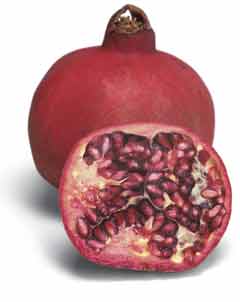
 Imagine a farmer’s delight when he finally sees his crops ripen and come to full growth.
Imagine his joy when he collects the plush red Pomegranates from the trees that he worked so hard on or when he feels the lush green grapes of his first harvest.
In this week’s Torah portion we read about a unique Biblical Mitzvah, “Bikkurim”, the “First Ripened Fruits”. This Mitzvah was for farmers and anyone who grew crops in Biblical Israel to take some of the very first ripened fruits from the species that Israel is blessed with, to the temple in Jerusalem and give them to the Cohen. While doing so, they were to recite a special reading in which they acknowledge and pay thanks to G-d’s blessings both in the present and in the past.
At a first glance this seems to be a simple Mitzvah which perhaps was another way of providing some gifts to the priests who worked in the Temple. Yet in truth, for the farmers who performed this Mitzvah, it may not have been the most natural action that they may have wished to do. After all after working so hard for a whole season they might want to enjoy that juicy first Pomegranate themselves, not run and give it to some Cohen in the Temple in Jerusalem.
Yet precisely in this action of giving some of the FIRST fruits, of giving one of those first juicy pomegranates to the Cohen and not just some leftover fruits, lay the profound message for maintaining a healthy dynamic in one’s life. Doing the Mitzvah in this specific format, reminded a Jew that he owes his blessings and successes to G-d. This did not negate his own hard work in preparing the harvest and crops, but it reminded him or her that ultimately G-d’s blessings are the key here.
“Bikkurim” reminded people that despite their successes and busy enterprises, it was critical that one’s first dose of thanks and recognition went to G-d, in the form of giving the fruit, helping the Cohens and saying the Bikkurim Declaration in the Temple. By doing so, it helped them maintain a healthy spiritually equilibrium which was not overly self-centric, but instead reminded them that life and its successes are part of a deeper and more meaningful altruistic plan. This kind of message was the perfect anchor to help people maintain their spiritual morals, their care for others, and for them to remember what G-d’s plan was and what role and part they play.
Bikkurim 2015
While there may be many ways to apply this in today’s day and age, one way might be to think about what we do with our own best “talents”, with our best and first “fruits” and with our best “time”. Bikkurim reminds us, that the choicest part of our resources, some of our most quality and precious time, and part of our own unique talents, should be designated for higher and more altruistic purposes. In doing so, we not only play the part that we need to in the master plan of creation, but we also create an anchor and navigator for our lives that helps remind us what is important and precious in life.
Practically speaking this means, prioritizing some of our financial resources for charity and helping others. It means taking our precious commodity of “time” and making sure that some important time slots are filled with meaningful and spiritual pursuits, through creating time for prayer, reflection, Torah Study, and helping others, and spending time with our loved ones. It also means that we must remember what are our own first fruits are, our own “Bikkurim”, our children and family members, and remembering that ultimately they are the most important responsibility that we have, even more than our career, pleasures, and social needs with others.
Certainly trying to apply a 2015 application of Bikkurim may be a little hard in the beginning. Nevertheless by doing so we will create a different state of mindfulness and focus in our lives, which will not only be meaningful to G-d and our spiritual roles, it will also bring us greater happiness and inner peace.
Shabbat Shalom
Yisroel